The Easiest Asparagus Pea Pasta You Will Ever Make in Under 30 Minutes
Introduction
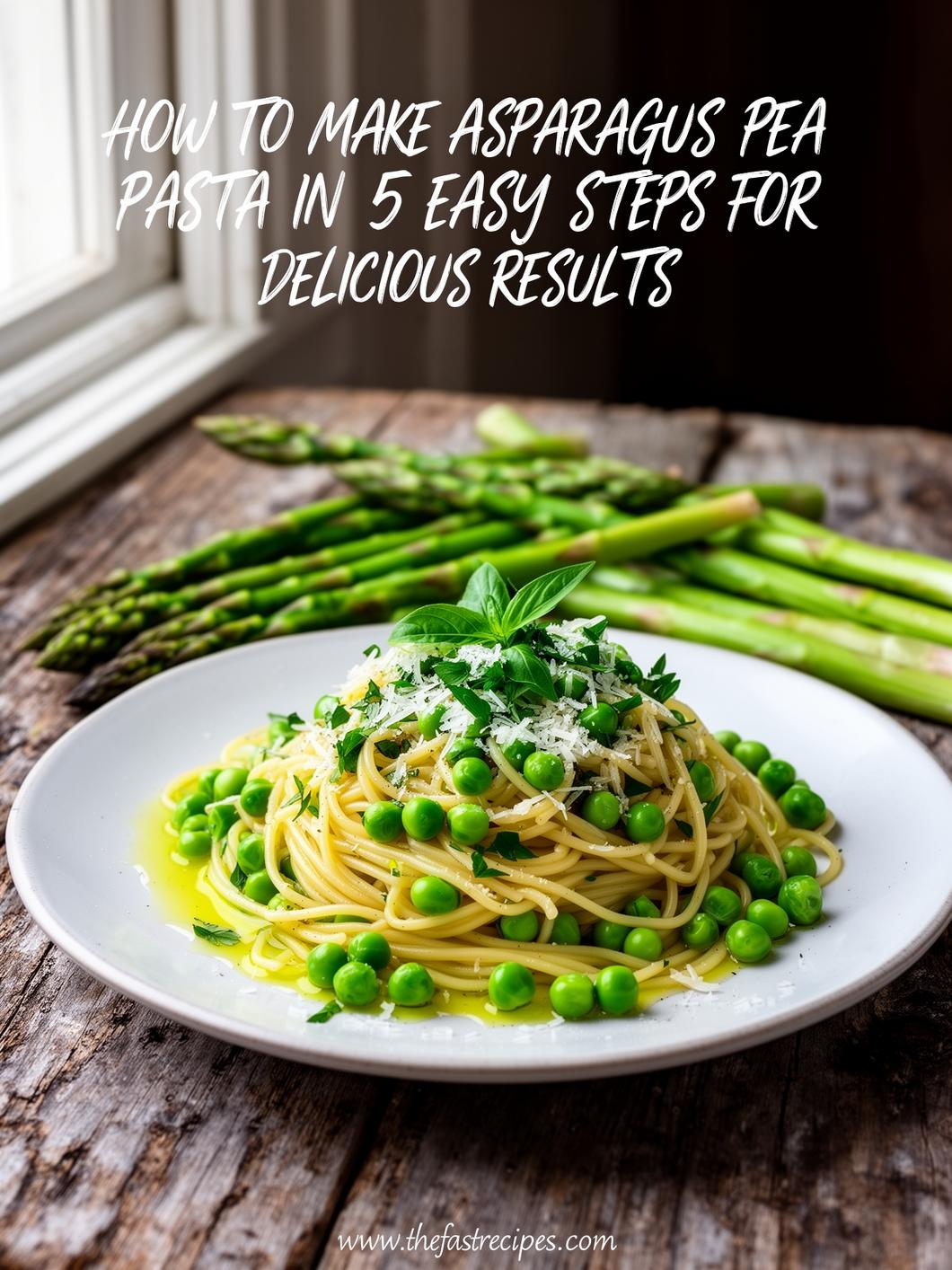
What if you could have a vibrant, restaurant-worthy dinner on the table in less time than it takes to watch an episode of your favorite show? That is exactly what Asparagus Pea Pasta delivers — a bright, creamy, and satisfying meal that feels indulgent without the effort. This dish has become a weeknight staple for home cooks everywhere, and once you try it, you will understand why. Whether you are cooking for a hungry family, meal prepping for the week, or simply craving something fresh and flavorful, this recipe checks every box. It is fast, it is simple, and it tastes absolutely incredible.
Fresh asparagus and sweet green peas pair beautifully with pasta to create a dish that is as nutritious as it is delicious. The natural sweetness of the peas balances the earthy bite of asparagus, while a simple sauce ties everything together in the most satisfying way. If you have been searching for a go-to spring and summer pasta dish that impresses without stress, you have just found it.
After a long day, cooking shouldn’t feel like a chore. Discover these Quick Dinner Recipes or try these Easy 30-Minute Dinner Ideas that help you prepare a delicious meal without spending hours in the kitchen.
Table of Contents
Ingredients and Equipment
Ingredients You Will Need
- 300g pasta (linguine, spaghetti, or penne)
- 200g fresh or frozen green peas
- 250g fresh asparagus, trimmed and cut into 2-inch pieces
- 3 cloves garlic, minced
- 2 tablespoons olive oil
- 1 cup heavy cream (or coconut cream for a vegan version)
- 50g Parmesan cheese, grated (or nutritional yeast for vegan)
- Zest and juice of 1 lemon
- Salt and black pepper to taste
- Fresh mint or basil leaves for garnish
- Red chili flakes (optional, for a little heat)
Optional Substitutions
- Swap heavy cream with half-and-half or Greek yogurt for a lighter sauce
- Use gluten-free pasta if needed
- Replace Parmesan with Pecorino Romano for a sharper flavor
- Add a handful of baby spinach for extra greens
Equipment Needed
- Large pot for boiling pasta
- Large skillet or sauté pan
- Colander
- Wooden spoon or tongs
- Grater or microplane for lemon zest and cheese
- Sharp knife and cutting board
| Best Kitchen Tools for This Recipe |
| Rachael Ray Cucina Nonstick Cookware Set (12-Piece) |
| 10-in-1 vegetable chopper |
| Ninja NeverClog Cold Press Juicer |
| Instant read meat thermometer |
| Oil sprayer for cooking |
Prep and Cook Time
| Related Recipes |
| How to Make Crab Brulee: The Perfect Recipe for Seafood Lovers |
| Easy Venison Stir Fry Recipe – Quick, Healthy & Flavorful |
| Easy Jerk Shrimp Pasta Recipe – 30-Minute Caribbean Dinner |
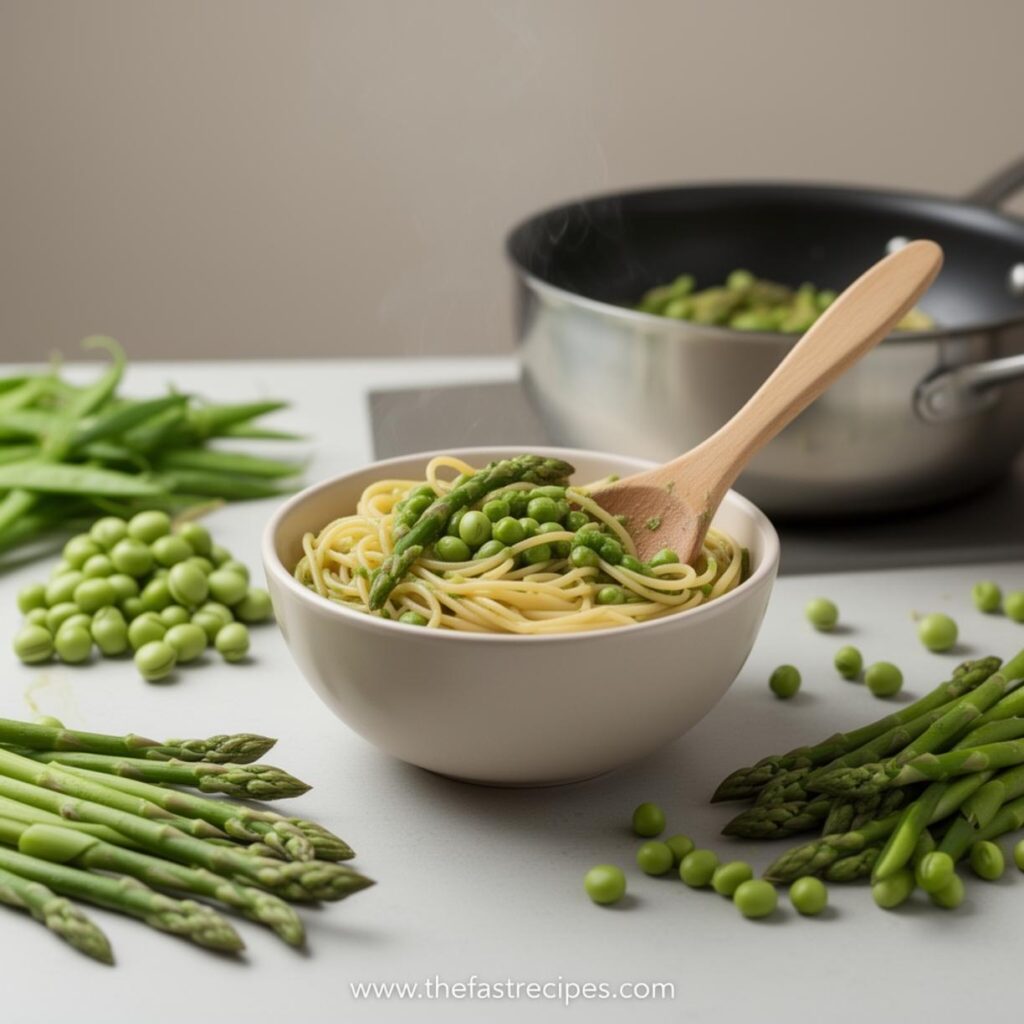
One of the biggest reasons people fall in love with this recipe is how quickly it comes together. Here is a breakdown of the time you will need:
- Prep Time: 10 minutes — washing, trimming, and chopping the asparagus, mincing garlic, and measuring out ingredients
- Cook Time: 18 minutes — boiling pasta, sautéing vegetables, and bringing the sauce together
- Total Time: 28 minutes — a complete, wholesome meal from start to plate
This is the kind of recipe that respects your time without sacrificing flavor. Even on your busiest evenings, you can pull this together with ease. The secret lies in the simplicity of the ingredients and the efficiency of cooking the pasta and vegetables in parallel.
Step-by-Step Instructions
Follow these simple steps to create a stunning asparagus pea pasta recipe that will become a permanent fixture in your weekly rotation:
- Boil the pasta water: Fill your large pot with generously salted water and bring it to a rolling boil over high heat. Salt adds flavor to the pasta from the inside out, so do not skip this step.
- Cook the pasta: Add your pasta and cook according to package instructions until al dente. Before draining, reserve about 1 cup of the starchy pasta water — this is liquid gold for your sauce.
- Blanch the asparagus: In the last 3 minutes of the pasta cooking, add your asparagus pieces directly to the boiling pasta water. This saves a pot and perfectly tenderizes the asparagus.
- Add the peas: Toss the peas into the boiling water in the final minute of cooking. Drain everything together and set aside.
- Sauté the garlic: In your large skillet over medium heat, warm the olive oil. Add the minced garlic and cook for about 60 seconds until fragrant but not browned.
- Build the sauce: Pour in the heavy cream and let it simmer gently for 2 to 3 minutes. Add the lemon zest, lemon juice, and grated Parmesan. Stir until the cheese melts and the sauce is silky smooth.
- Combine everything: Add the drained pasta, asparagus, and peas to the skillet. Toss everything together, using splashes of reserved pasta water to loosen the sauce to your preferred consistency.
- Season and serve: Taste and adjust salt, pepper, and lemon juice. Plate immediately, garnished with fresh herbs, extra cheese, and a pinch of chili flakes if desired.
Practical Tip: Do not let the sauce sit too long before adding the pasta. Cream-based sauces thicken quickly, and the pasta water helps maintain that perfect creamy texture.
Why It Is a Great Quick Meal
Speed and simplicity are at the heart of this recipe, but that does not mean you are compromising on nutrition or taste. Asparagus is loaded with folate, vitamins K and C, and powerful antioxidants. Green peas bring a generous hit of plant-based protein and dietary fiber that keeps you feeling full and satisfied. Together, they transform a simple bowl of pasta into a nutritionally balanced meal.
The dish is also endlessly adaptable. It works just as well as a weeknight dinner as it does as a meal prep option for the week ahead. The fresh, clean flavors feel appropriate any time of year, though it shines particularly bright during spring and early summer when asparagus is at its seasonal peak.
Pro Tips from the Kitchen
- Always salt your pasta water until it tastes like the sea — this is the foundation of great pasta flavor
- Do not overcook the asparagus; you want it bright green and tender-crisp, not mushy
- Reserve more pasta water than you think you need — you can always add more but cannot take it away
- Use freshly grated Parmesan rather than pre-shredded for a smoother, creamier sauce
- Add lemon juice at the end of cooking to preserve its bright, fresh flavor
- A microplane zester gets the most flavorful zest from your lemon without the bitter pith
Tips, Variations, and Shortcuts
Tasty Variations
- Add cooked pancetta or crispy bacon for a smoky, savory depth
- Stir in a spoonful of pesto for an herby twist
- Include sautéed shrimp or grilled chicken for extra protein
- Swap cream for a blended white bean sauce for a high-protein, dairy-free alternative
Vegan Options
- Use coconut cream or oat-based cream in place of heavy cream
- Replace Parmesan with nutritional yeast and a pinch of garlic powder
- Use plant-based pasta for a fully vegan and gluten-free meal
Batch Cooking and Freezing Tips
- Double the recipe and store portions in airtight containers in the fridge for up to 4 days
- Freeze the sauce separately (without pasta) for up to 2 months
- Cook pasta fresh when reheating for best texture results
Common Mistakes to Avoid
- Overcooking the vegetables: Asparagus and peas cook fast. Overcooked vegetables turn dull and mushy. Stick to the times outlined in the instructions.
- Skipping the pasta water: This starchy water is essential for emulsifying the sauce. Never drain your pasta without saving some.
- Adding cold cream to a hot pan too quickly: This can cause the cream to curdle. Let the cream come closer to room temperature before adding it to the pan.
- Not tasting as you go: Season at every stage — the pasta water, the sauce, and the final dish. Tasting is the most important cooking skill you can develop.
- Using pre-packaged shredded cheese: Anti-caking agents in pre-shredded cheese prevent it from melting smoothly. Always grate your own.
Storage and Reheating Tips
- Store leftovers in an airtight container in the refrigerator for up to 4 days
- Reheat gently in a skillet over low heat with a splash of water or cream to revive the sauce
- Avoid microwaving at full power as this can make the pasta gummy and the sauce greasy
- Do not freeze the finished pasta dish as the cream sauce does not hold up well; freeze components separately instead
Nutrition Information
The following estimates are based on one serving (recipe serves 4):
- Calories: approximately 480 kcal
- Protein: 16g
- Carbohydrates: 58g
- Fat: 20g
- Fiber: 6g
- Sodium: 320mg
- Vitamin C: 22% of daily recommended intake
- Vitamin K: 35% of daily recommended intake
- Folate: 18% of daily recommended intake
- Iron: 12% of daily recommended intake
Conclusion
There is something truly magical about a dish that is this simple yet this deeply satisfying. Whether you are a seasoned home cook or just beginning your culinary journey, Asparagus Pea Pasta proves that great food does not require hours in the kitchen or a long list of complicated ingredients. It requires fresh produce, a little technique, and a whole lot of heart. We encourage you to try this recipe tonight and see for yourself how quickly it becomes a household favorite. And if you are looking to expand your repertoire, exploring more variations of an asparagus pea pasta recipe is a wonderful place to start. Share your creation with friends and family, tag us on social media, and let us know how it turned out. Delicious meals are meant to be shared, and this one is too good to keep to yourself.
FAQs
Can I use frozen asparagus instead of fresh?
Yes, frozen asparagus works well in this recipe. Thaw it slightly before adding it to the pasta water for blanching, and reduce the cooking time by about a minute since frozen vegetables cook faster. Fresh asparagus will always deliver a slightly superior texture, but frozen is a fantastic and convenient alternative.
What type of pasta works best for this dish?
Linguine and spaghetti are classic choices because their long strands hold the creamy sauce beautifully. Penne and rigatoni are excellent alternatives because the sauce gets trapped inside the tubes, giving you flavor in every bite. Avoid very thick pasta shapes as they can overwhelm the delicate vegetables.
Is this recipe suitable for meal prep?
Absolutely. This dish stores well in the refrigerator for up to four days and reheats beautifully with a little added liquid. For best results during meal prep, slightly undercook the pasta on the initial cook so it does not become too soft when reheated. Store the pasta and sauce together in an airtight container.
How can I make the sauce lighter without losing flavor?
You can replace heavy cream with Greek yogurt, light cream, or a blended mixture of cottage cheese and pasta water for a lighter but still creamy sauce. Adding an extra squeeze of lemon and a handful of fresh herbs compensates beautifully for the reduced richness while keeping the flavor vibrant and bright.
Can I add protein to this pasta dish?
Definitely. Grilled chicken strips, sautéed shrimp, or pan-seared salmon are all wonderful additions that complement the fresh vegetable flavors. For a plant-based protein boost, stir in a can of drained white beans or top the dish with crispy roasted chickpeas. These additions make the meal even more filling and nutritionally complete.